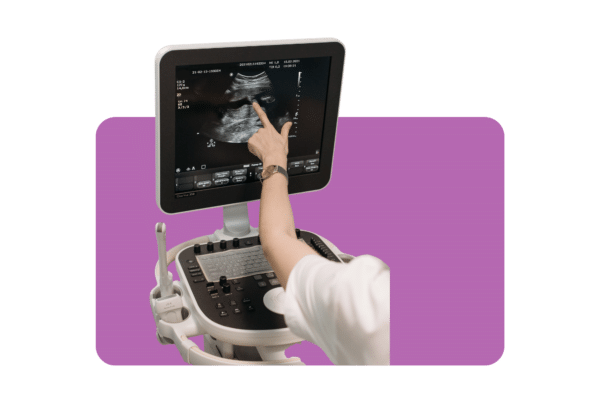
When your veterinarian recommends advanced imaging, it’s natural to feel a little overwhelmed. Many pet owners have heard of MRI and CT scans in human medicine, but aren’t quite sure what they are or why their pet might need one.
At Cottage Vet Clinic, we often explain that an MRI or CT scan is simply another tool to help us see what ordinary X-rays cannot. While X-rays remain invaluable for diagnosing many conditions, they only show us part of the picture. Some diseases require much more detailed imaging before an accurate diagnosis—and the right treatment—can be made.
Understanding the difference between MRI and CT scans can help you feel more confident if your veterinarian ever recommends one for your pet.
Why Aren’t X-rays Enough?
X-rays are excellent for examining bones, joints and the chest, but they have limitations.
Many organs overlap on an X-ray, making it difficult to distinguish one structure from another. Soft tissues such as the brain, spinal cord, ligaments, muscles and many abdominal organs simply cannot be seen in enough detail.
This is where advanced imaging becomes invaluable.
MRI and CT scans produce detailed cross-sectional images of the body, allowing veterinarians to examine structures layer by layer instead of looking at a single flat image.
The result is earlier diagnosis, more accurate treatment planning and often a better outcome for your pet.
What Is a CT Scan?
A CT (Computed Tomography) scan uses multiple X-rays taken from different angles to produce detailed three-dimensional images.
Think of it as taking hundreds of X-rays and combining them into one highly detailed picture.
CT scans are particularly good at evaluating:
- Fractures and complex bone injuries
- Nasal disease
- Lung disease
- Chest abnormalities
- Certain abdominal conditions
- Dental disease
- Cancer staging
- Ear disease
- Skull abnormalities
Because CT scans are very fast, they are often the preferred imaging technique in emergency situations where rapid answers are needed. They also give excellent detail when bony structures are involved.
What Is an MRI?
An MRI (Magnetic Resonance Imaging) works very differently.
Instead of X-rays, MRI uses powerful magnets and radio waves to create incredibly detailed images of soft tissues.
MRI is considered the gold standard for examining structures such as:
- The brain
- The spinal cord
- Intervertebral discs
- Muscles
- Tendons
- Ligaments
- Peripheral nerves
If your pet develops seizures, difficulty walking, paralysis, balance problems or unexplained neurological signs, an MRI often provides the answers that no other test can.
MRI is also invaluable when investigating spinal conditions such as Intervertebral Disc Disease (IVDD), inflammatory brain disease or certain types of tumours.
So Which One Is Better?
One of the most common questions owners ask is whether an MRI is “better” than a CT scan.
The answer is surprisingly simple:
Neither is better—they simply answer different questions.
If we are looking at bones, a CT scan is usually superior.
If we need to examine the brain or spinal cord, MRI provides far more detail.
Sometimes both techniques are useful, depending on the condition being investigated.
Your veterinarian will recommend the imaging modality that is most likely to provide the answers needed for your pet’s particular problem.
Conditions That May Need Advanced Imaging
At Cottage Vet Clinic, advanced imaging is commonly recommended when pets present with conditions such as:
Neurological Disease
Pets experiencing seizures, head tilt, balance problems, paralysis or weakness often require MRI to determine whether the cause is a slipped disc, inflammation, stroke or brain tumour.
Nasal Disease
A dog with chronic nasal discharge or nosebleeds may have anything from a severe infection to a foreign body or nasal tumour.
CT scans provide excellent detail of the nasal passages and surrounding structures, allowing far more accurate diagnosis than X-rays alone.
Orthopaedic Injuries
Complex fractures, elbow disease and certain joint disorders are often much easier to evaluate with CT scanning.
Three-dimensional images help surgeons plan procedures with much greater precision.
Cancer
Advanced imaging plays an important role in diagnosing cancer and determining whether it has spread.
This information allows veterinarians to choose the most appropriate treatment and provide a more accurate prognosis.
Does My Pet Need an Anaesthetic?
Yes.
Unlike people, pets cannot be asked to lie completely still for several minutes.
Even tiny movements can blur the images and make interpretation difficult.
For this reason, MRI and CT scans are performed under a carefully monitored general anaesthetic or, in some cases, deep sedation.
Before the procedure, your veterinarian will perform a thorough examination and may recommend blood tests to ensure your pet is healthy enough for anaesthesia.
Throughout the scan, your pet is closely monitored by trained veterinary professionals.
Will My Pet Need Referral?
No. At Cottage Vet we are able to arrange MRI and CT scans to be done at some of our local human radiologists. A veterinarian and assistant will take your pet to the hospital, sedate or anaesthetise them, monitor them throughout the procedure and bring them back to the clinic.
The MRI and CT images are then sent to a specialist veterinary radiologist for interpretation.
If we believe advanced imaging will benefit your pet, we will make arrangements with the an appropriate facility
Once a diagnosis has been made, ongoing treatment and follow-up care often continue with us, ensuring continuity of care for both you and your pet.
Advanced Imaging Saves More Than Time
Many owners worry that referral for an MRI or CT scan means their pet’s condition is particularly serious.
Sometimes that is true—but often advanced imaging actually prevents unnecessary delays, repeated testing and ineffective treatments.
Rather than guessing, we can identify the underlying problem with much greater confidence and develop a treatment plan based on accurate information.
In many cases, advanced imaging allows us to intervene earlier, improving both recovery and long-term quality of life.
When Should You Ask About MRI or CT?
If your pet has ongoing neurological signs, persistent lameness despite treatment, unexplained pain, chronic nasal disease or a condition that isn’t responding as expected, advanced imaging may be the next logical step.
At Cottage Vet Clinic, our goal is always to reach an accurate diagnosis as quickly as possible. While not every patient needs an MRI or CT scan, these technologies have transformed veterinary medicine and allow us to diagnose conditions that would once have remained a mystery.
If your pet has a condition that isn’t improving or you would like to discuss whether advanced imaging could help, contact Cottage Vet Clinic. Our experienced team can guide you through the diagnostic process and help determine the best next step for your pet.