Hearing your veterinarian say that your dog or cat has elevated liver enzymes can be worrying. Many owners immediately assume their pet has liver failure or severe liver disease.
Fortunately, that isn’t always the case.
At Cottage Vet Clinic, this is one of the most common abnormalities we identify during routine blood tests. In many pets, they are simply the first clue that something else is happening in the body. The liver is an incredibly resilient organ, and changes in liver enzymes often tell us that it is under stress rather than permanently damaged.
Understanding what elevated liver enzymes actually mean can help take some of the fear out of the diagnosis.
What Are Liver Enzymes?
The liver performs hundreds of essential functions every single day.
It filters toxins from the bloodstream, produces proteins, stores vitamins, regulates blood sugar, assists with digestion and manufactures bile to help digest fats.
When liver cells become damaged or the liver is placed under stress, certain enzymes leak into the bloodstream. These are what we measure during routine blood tests.
An elevated liver enzyme does not tell us exactly what disease is present—it simply tells us that the liver deserves a closer look.
Think of liver enzymes as an early warning system rather than a diagnosis.
Which Liver Enzymes Are Measured?
Several different liver enzymes are commonly measured, and each tells us something slightly different.
ALT (Alanine Aminotransferase)
ALT is one of the most important liver enzymes in dogs and cats.
When liver cells become injured or inflamed, ALT levels often increase.
High ALT suggests damage to liver cells, but it does not tell us why the damage has occurred.
ALP (Alkaline Phosphatase)
ALP is commonly elevated in dogs and can increase for several reasons.
It may rise because of liver disease, certain medications such as corticosteroids, hormonal disorders like Cushing’s disease, or diseases affecting the bile ducts.
Interestingly, puppies naturally have much higher ALP levels while their bones are growing, so mild elevations in young dogs are often completely normal.
Elevated Liver Enzymes Do Not Always Mean Liver Disease
One of the biggest misconceptions is that elevated liver enzymes automatically mean liver failure.
In reality, many conditions outside the liver can cause these values to increase.
Common causes include:
- Liver inflammation (hepatitis)
- Gall bladder disease
- Pancreatitis
- Diabetes mellitus
- Cushing’s disease
- Certain medications
- Toxin exposure
- Infections
- Cancer
- Hormonal disorders
- Obesity
- Dental disease
- Age-related changes
Sometimes we even detect mildly elevated liver enzymes during routine wellness screening in pets that appear completely healthy.
These cases often allow us to investigate and treat disease before obvious symptoms develop.
Does the Level Matter?
Yes—but perhaps not in the way many people think.
Very high liver enzymes do not necessarily mean a worse prognosis, and mildly elevated liver enzymes should never be ignored simply because the numbers are only slightly abnormal.
Instead, veterinarians interpret the results alongside your pet’s:
- Clinical signs
- Physical examination
- Medical history
- Age
- Breed
- Current medications
- Other blood test abnormalities
It is the complete picture that guides diagnosis, not a single laboratory value.
What Other Tests Might My Vet Recommend?
Finding elevated liver enzymes is often the beginning of the investigation rather than the end.
Depending on your pet’s history and examination, your veterinarian may recommend additional tests.
Repeat Blood Tests
Sometimes liver enzyme changes are temporary.
Repeating blood tests after a few weeks allows us to determine whether the values are improving, worsening or remaining stable.
Bile Acid Testing
Bile acid tests assess how well the liver is functioning rather than simply whether liver cells are damaged.
This provides valuable information when evaluating chronic liver disease or congenital liver abnormalities.
Ultrasound Examination
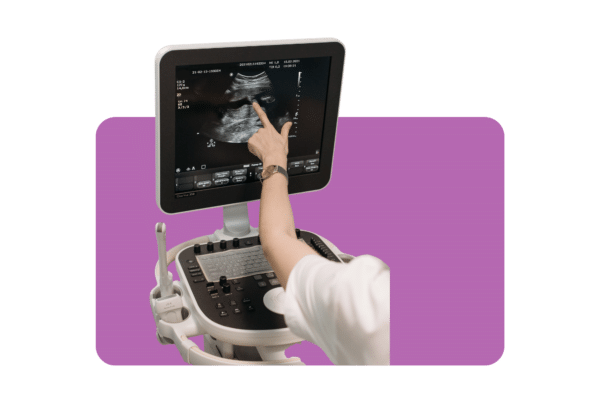
At Cottage Vet Clinic, abdominal ultrasound is one of the most useful next steps when investigating elevated liver enzymes.
Ultrasound allows us to examine the liver itself, the gall bladder, bile ducts, pancreas and surrounding organs.
We can identify problems such as:
- Gall bladder mucocoeles
- Liver tumours
- Cysts
- Nodules
- Inflammation
- Bile duct obstruction
- Pancreatitis
Many conditions that cannot be diagnosed from blood tests alone become much clearer with ultrasound imaging.
Liver Biopsy
In some cases, obtaining a small tissue sample provides the only way to reach a definitive diagnosis.
While the thought of a biopsy can sound intimidating, it often provides the information needed to choose the most appropriate treatment.
Can Elevated Liver Enzymes Be Treated?
Treatment depends entirely on the underlying cause.
Some pets simply require monitoring.
Others may benefit from:
- Specialised liver diets
- Liver support supplements
- Antibiotics
- Anti-inflammatory medication
- Surgery
- Treatment for hormonal disease
- Management of pancreatitis
- Removal of toxins or medications affecting the liver
Because the liver has an impressive ability to regenerate, many liver conditions respond remarkably well once the underlying cause is identified.
Early Detection Makes All the Difference
One of the reasons we recommend regular wellness blood testing, particularly for middle-aged and senior pets, is because many liver conditions develop silently.
By the time obvious symptoms such as jaundice, vomiting or weight loss appear, disease may already be advanced.
Routine blood screening often detects elevated liver enzymes months before owners notice that anything is wrong, allowing earlier investigation and treatment.
Don’t Panic—Investigate
If your veterinarian tells you your pet has elevated liver enzymes, remember that it is not a diagnosis.
Instead, think of it as your pet’s way of asking us to investigate further.
At Cottage Vet Clinic, we combine blood testing, ultrasound, clinical examination and, when necessary, referral diagnostics to identify the underlying cause and develop the most appropriate treatment plan.
The earlier we understand why liver enzymes are elevated, the better the opportunity to protect your pet’s long-term health.
If your pet has recently been diagnosed with elevated liver enzymes or is due for routine wellness screening, contact Cottage Vet Clinic. Our experienced team can help determine what the results mean and whether any further investigation is needed.