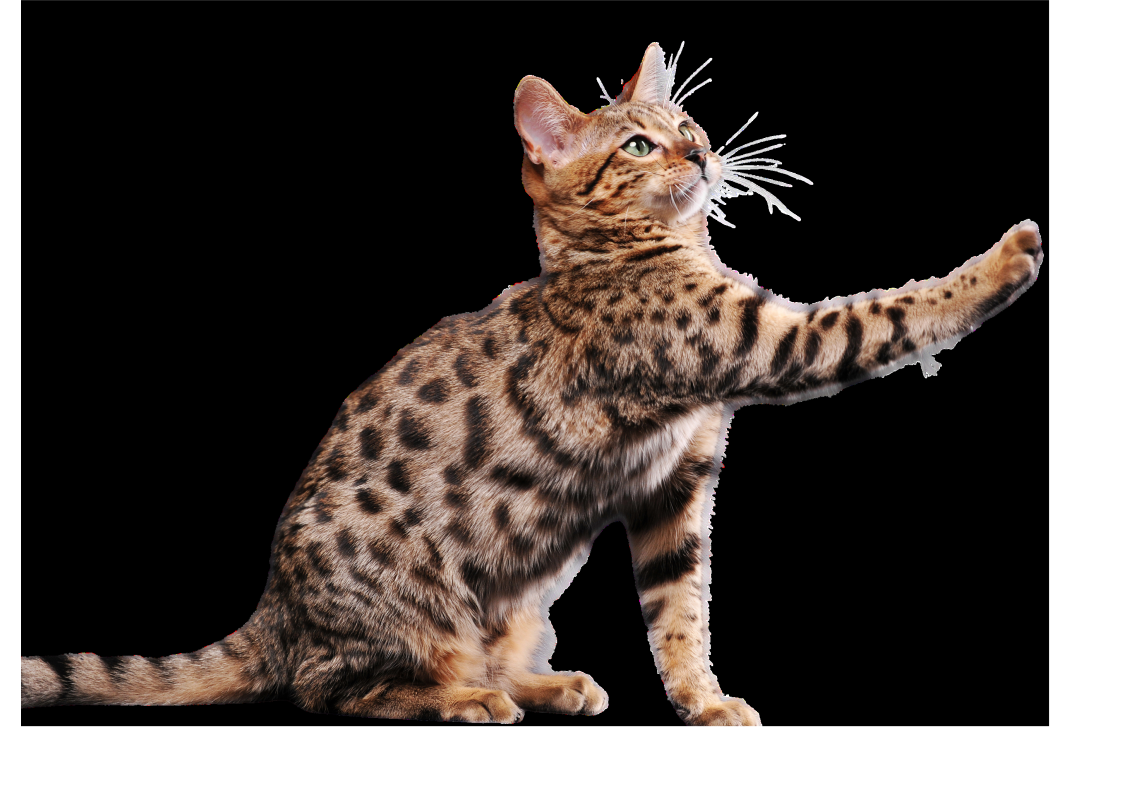
With their striking spotted coats and wild appearance, Bengal cats often look like miniature leopards. But behind their exotic looks lies an affectionate, intelligent and incredibly active companion.
Bengal cats have become increasingly popular over the past decade, but they are not the right breed for every household. Their high energy levels, curiosity and intelligence mean they need far more mental and physical stimulation than many other cat breeds.
At Cottage Vet Clinic, we enjoy caring for Bengal cats and helping owners understand the unique needs of this remarkable breed. With the right environment and preventative healthcare, Bengal cats make wonderful companions for families who can keep up with them.
Where Do Bengal Cats Come From?
Despite their wild appearance, Bengal cats are domestic cats.
The breed was originally developed by crossing domestic cats with the Asian Leopard Cat before being selectively bred over many generations to produce the friendly, domestic Bengal we know today.
Modern Bengal cats are affectionate household pets, although they have retained many of the athletic characteristics of their wild ancestors.
Personality – Always on the Move
If you’re looking for a quiet lap cat, a Bengal may not be the best choice.
Bengal cats are:
- Highly intelligent
- Extremely curious
- Athletic
- Playful
- Confident
- Social
- Interactive
Many owners describe them as “dog-like” because they actively seek interaction with people and enjoy learning new behaviours.
Some Bengals even learn to:
- Walk on a harness
- Retrieve toys
- Open cupboards
- Turn door handles
- Solve food puzzles
They’re excellent problem-solvers—which sometimes means they create their own entertainment if left bored.
They Need More Than Just Toys
One of the biggest mistakes new Bengal owners make is underestimating how much stimulation these cats require.
Bengals thrive when provided with:
- Tall climbing trees
- Wall-mounted shelves
- Puzzle feeders
- Interactive toys
- Daily play sessions
- Safe outdoor enclosures (“catios”)
- Window perches
Without enough enrichment, boredom can lead to destructive behaviour or unwanted habits.
Do Bengal Cats Like Water?
Surprisingly, many do.
Unlike most cats, Bengal cats often enjoy playing with running taps, splashing in water bowls or even joining their owners in the shower.
While not every Bengal loves water, their fascination with it is one of the breed’s best-known quirks.
Common Health Conditions
Like all pedigree breeds, Bengal cats can be predisposed to certain inherited diseases.
Some conditions veterinarians monitor for include:
Hypertrophic Cardiomyopathy (HCM)
This is one of the most common heart diseases affecting cats.
The heart muscle becomes abnormally thickened, making it more difficult for the heart to pump efficiently.
Many cats show no obvious signs until the disease is advanced, which is why regular veterinary examinations are so important.
Progressive Retinal Atrophy (PRA)
This inherited eye disease causes gradual degeneration of the retina and can eventually lead to blindness.
Responsible breeders screen breeding cats to reduce the risk of passing the condition on.
Patellar Luxation
Although more commonly associated with dogs, kneecap instability can occasionally occur in Bengal cats.
Affected cats may skip on a hind leg or show intermittent lameness.
Obesity
Ironically, despite being active cats, Bengals can become overweight if their exercise needs are not met.
Maintaining a healthy weight helps reduce the risk of diabetes, arthritis and other chronic diseases later in life.
Nutrition Matters
Because Bengal cats are so active, they benefit from high-quality, balanced nutrition.
Feeding should always be tailored to the individual cat’s age, body condition and activity level.
Fresh water should be available at all times, particularly as cats naturally have a relatively low thirst drive.
Preventative Healthcare
Even energetic, apparently healthy Bengal cats benefit from regular veterinary health checks.
At Cottage Vet Clinic, routine wellness examinations allow us to:
- Monitor weight
- Assess dental health
- Listen for heart murmurs
- Detect early signs of illness
- Discuss parasite prevention
- Keep vaccinations up to date
Early detection often makes treatment simpler and more successful.
Is a Bengal Cat Right for You?
Bengal cats are affectionate, entertaining and incredibly rewarding companions—but they are not low-maintenance pets.
They thrive with owners who enjoy interacting with them daily and providing plenty of mental stimulation.
If given the right environment, a Bengal will reward you with endless entertainment, remarkable intelligence and a close bond with its family.
A Breed Like No Other
Few cats combine beauty, athleticism and intelligence quite like the Bengal.
Whether they’re racing through the house, climbing to impossible heights or greeting you at the door after work, Bengal cats have a way of becoming the centre of family life.
At Cottage Vet Clinic, we’re always happy to help Bengal owners provide the best possible care throughout every stage of their cat’s life.
Are you thinking about adding a Bengal cat to your family, or do you already share your home with one? Contact Cottage Vet Clinic to schedule a wellness examination and let us help keep your Bengal healthy for years to come.