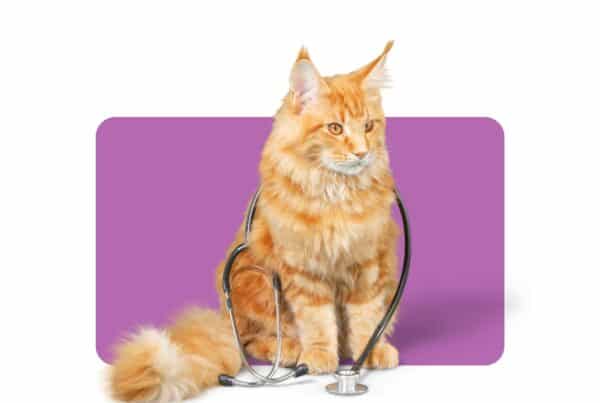
With their thick, luxurious coats and striking appearance, Norwegian Forest Cats are truly one of the most beautiful and impressive cat breeds. Originally from Scandinavia, these cats were built to survive harsh winters, making them strong, adaptable, and independent.
But while Norwegian Forest Cats are generally hardy, they do have specific health considerations that owners should be aware of. Understanding these helps ensure they live long, healthy lives.
Personality and Temperament
Norwegian Forest Cats are:
- Intelligent and observant
- Independent but affectionate
- Playful, even into adulthood
- Excellent climbers who enjoy vertical spaces
They are less demanding than some breeds like Burmese but still form strong bonds with their families. They thrive in environments where they have enrichment, stimulation and opportunities to climb and explore.
Common Health Concerns in Norwegian Forest Cats
While generally robust, Norwegian Forest Cats are predisposed to a few important conditions.
1. Hypertrophic Cardiomyopathy (HCM)
This is the most common heart disease in cats and can occur in Norwegian Forest Cats.
Signs may include:
- Lethargy
- Rapid or laboured breathing
- Reduced exercise tolerance
- Sudden collapse in severe cases
Routine veterinary exams can help detect early signs.
2. Hip Dysplasia
Less commonly discussed in cats, but Norwegian Forest Cats can develop hip dysplasia due to their larger size.
Watch for:
- Difficulty jumping
- Stiffness
- Reduced activity
You can read more in our blog on hip disease in pets:
https://www.cottagevet.co.za/blog/hip-disease-in-pets
3. Obesity
Because of their size and appetite, Norwegian Forest Cats can be prone to weight gain. Obesity increases the risk of diabetes, arthritis and urinary problems.
Maintaining a healthy weight is key to long-term health.
4. Urinary and Kidney Health
Like many cats, Norwegian Forest Cats can be prone to urinary tract issues and kidney disease, especially as they age.
You may also find our blog on kidney disease in cats helpful:
https://www.cottagevet.co.za/blog/kidney-disease-in-cats
Grooming and General Care
The thick double coat of Norwegian Forest Cats requires regular grooming.
- Weekly brushing is essential
- More frequent grooming during seasonal shedding
- Regular nail trims and ear checks
Despite their long coats, they are relatively low-maintenance compared to other long-haired breeds if groomed consistently. Our grooming team is specifically trained on how to groom Norwegian Forest Cats. Give us a call to discuss your grooming needs.
Why Preventative Care Matters
Because Norwegian Forest Cats are predisposed to heart, joint and metabolic conditions, preventative care plays an important role.
This includes:
- Annual check-ups
- Routine blood testing
- Weight management
- Monitoring for early signs of disease
Early detection allows for better management and improved quality of life.
In Summary
Norwegian Forest Cats are strong, beautiful and affectionate companions. While generally hardy, they benefit greatly from proactive veterinary care and regular monitoring for breed-related conditions.
If you own a Norwegian Forest Cat or are considering one, our team can help you create a personalised health plan.
👉 Book a wellness consultation at Cottage Vet Clinic today:
https://www.cottagevet.co.za/contact-us