One day your dog is chasing a ball around the garden. The next, they’re limping, reluctant to put weight on one of their back legs, or struggling to get up after lying down.
Many owners assume they’ve simply sprained a muscle or landed awkwardly. In reality, one of the most common causes of sudden hindlimb lameness is cruciate ligament disease.
At Cottage Vet Clinic, cruciate disease is one of the most frequently treated orthopaedic conditions we see. It is also one of the conditions where modern surgery can make a remarkable difference to a dog’s comfort, mobility and long-term quality of life.
What Is the Cruciate Ligament?
Inside every dog’s knee (stifle joint) are two cruciate ligaments that help stabilise the joint.
The cranial cruciate ligament prevents the shin bone (tibia) from sliding forwards when your dog walks or runs.
When this ligament becomes damaged or ruptures, the knee becomes unstable. Every step causes abnormal movement within the joint, resulting in pain, inflammation and, over time, arthritis.
Unlike many sporting injuries in people, cruciate disease in dogs is usually not caused by a single accident. Instead, the ligament gradually weakens over months or years before eventually failing.
Which Dogs Are at Risk?
Cruciate disease can affect almost any dog, but it is particularly common in:
- Labrador Retrievers
- Golden Retrievers
- Rottweilers
- Boxers
- Staffordshire Bull Terriers
- Bulldogs
- Large and giant breed dogs
- Overweight dogs
Smaller breeds can also develop cruciate disease, and unfortunately, once one knee has been affected, many dogs will rupture the ligament in the opposite leg within the following months or years.
What Are the Signs?
The symptoms can appear suddenly or develop gradually.
Common signs include:
- Limping on a back leg
- Reluctance to bear weight
- Difficulty rising after rest
- Sitting with one leg stretched out to the side
- Struggling with stairs
- Reluctance to jump into the car
- Reduced willingness to exercise
- Stiffness after activity
Some dogs improve after a few days of rest, leading owners to believe the problem has resolved. Unfortunately, the instability within the knee remains, and arthritis continues to develop.
How Is Cruciate Disease Diagnosed?
A thorough orthopaedic examination is the first step.
Your veterinarian will assess the stability of the knee, evaluate gait and muscle mass, and look for signs of pain or swelling.
X-rays are also an important part of the investigation. Although the ligament itself cannot be seen on a standard X-ray, radiographs allow us to assess joint swelling, arthritis and rule out other causes of lameness such as fractures or bone disease.
What Is MMP Surgery?
One of the most advanced ways of treating cruciate disease is the Modified Maquet Procedure (MMP).
Rather than replacing the damaged ligament, MMP changes the mechanics of the knee so that it becomes stable again during weight-bearing.
By altering the angle of the patellar tendon, the abnormal forward movement of the tibia is eliminated, allowing the knee to function comfortably without relying on the damaged ligament.
The procedure uses specialised titanium implants designed specifically for this purpose and allows dogs to regain excellent limb function while reducing ongoing joint instability.
MMP is recognised internationally as an effective treatment for appropriately selected patients with cruciate ligament disease.
Why Early Surgery Matters
Every day that an unstable knee remains untreated, ongoing damage occurs within the joint.
The meniscus, a shock-absorbing cartilage inside the knee, may tear, causing additional pain and requiring further treatment.
Arthritis also progresses more rapidly in unstable joints.
Early diagnosis and appropriate surgical treatment help minimise these long-term changes and improve overall outcomes.
Recovery After MMP Surgery
Recovery requires commitment from both the veterinary team and the family.
Most dogs begin using the operated leg surprisingly quickly, but this does not mean healing is complete.
Successful recovery depends on:
- Strict exercise restriction initially
- Controlled lead walks
- Regular follow-up examinations
- Repeat X-rays to monitor healing
- Gradual return to activity
- Weight management
- Physiotherapy where appropriate
Most dogs continue to improve over several months as bone healing progresses and muscle strength returns.
Experience Matters
At Cottage Vet Clinic, orthopaedic surgery is a major area of interest.
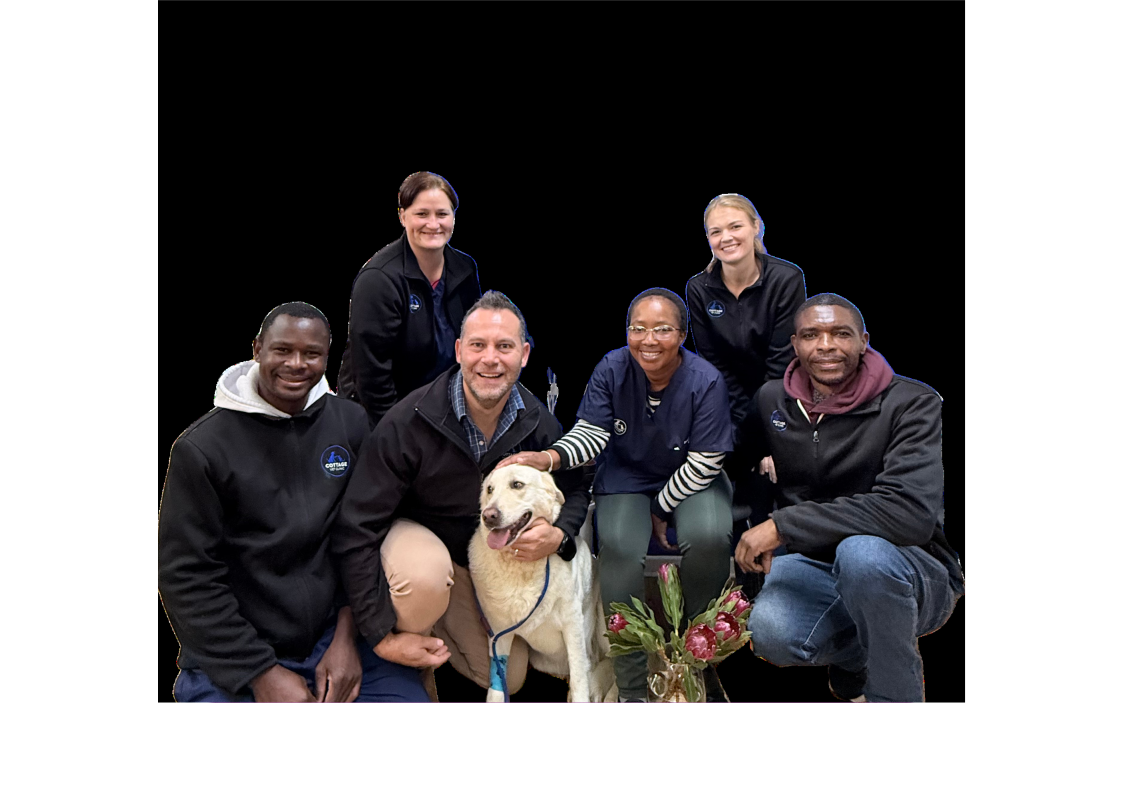
Dr Morne de Wet has now performed more than 500 Modified Maquet Procedures (MMPs) for cruciate ligament disease—more than any other veterinarian in Africa!
Reaching this milestone reflects years of dedication to advanced orthopaedic surgery and, more importantly, hundreds of dogs that have been able to return to active, comfortable lives after treatment.
Successful orthopaedic surgery is also very much a team effort. From our experienced theatre nurses and kennel assistants to our rehabilitation planning and post-operative care, every member of the Cottage Vet team plays an important role in helping each patient recover.
Don’t Ignore a Limp
A limp that lasts more than a day or two is never something to ignore.
The earlier cruciate disease is diagnosed, the more options are available to protect your dog’s joint and reduce the progression of arthritis.
If your dog is limping, reluctant to exercise or struggling to get up after resting, we’d be happy to assess them and discuss the most appropriate treatment options.
At Cottage Vet Clinic, we’re committed to helping dogs get back on their feet—and back to enjoying life.
If you think your dog may have cruciate ligament disease, contact Cottage Vet Clinic to book an orthopaedic assessment. Early diagnosis and treatment can make all the difference to your dog’s long-term comfort and mobility.