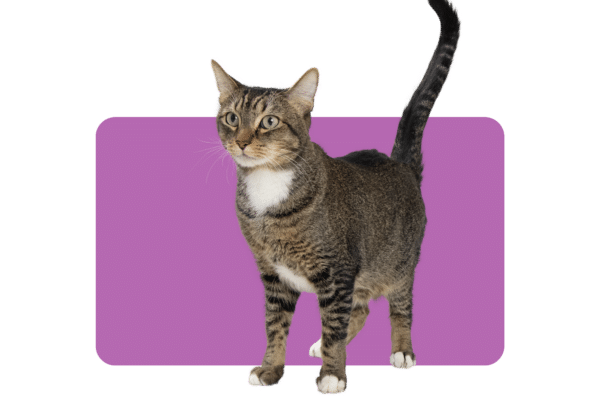
A dog comes in because their owner has noticed two strange lumps under the jaw. A cat has been steadily losing weight despite still eating. Another pet simply seems tired and “not quite right”.
All three could have completely different problems – but lymphoma in dogs and cats is one possibility veterinarians need to consider.
Lymphoma is a cancer involving lymphocytes, a type of white blood cell that forms part of the immune system. Because lymphocytes occur throughout the body, lymphoma can appear in many different places.
What Does Lymphoma Look Like?
The classic presentation in dogs is enlarged lymph nodes.
Owners sometimes discover them while scratching underneath their dog’s jaw or around the shoulders. These enlarged nodes are often surprisingly painless, and some dogs otherwise seem perfectly well.
But lymphoma in dogs and cats doesn’t always behave this way.
Depending on which organs are affected, symptoms can include weight loss, reduced appetite, lethargy, vomiting, diarrhoea, breathing changes or increased thirst and urination.
In cats, lymphoma commonly involves internal organs, including the gastrointestinal tract, so the first signs may simply be chronic vomiting, diarrhoea or weight loss.
How Do We Diagnose Lymphoma?
If we find an enlarged lymph node, one of the first tests may be a fine needle aspirate.
A small needle is used to collect cells from the lymph node, which are then examined under the microscope. In many cases, this relatively simple procedure can provide extremely useful information. Cytology or tissue biopsy may be used to diagnose lymphoma, with specialised testing sometimes helping to classify the disease further.
Depending on the presentation, blood tests, X-rays and abdominal ultrasound may also be recommended.
Once lymphoma has been diagnosed, further testing may be used to determine how extensively the disease has spread and which form of lymphoma we’re dealing with.
Does Lymphoma Mean There Is No Hope?
No.
A diagnosis of lymphoma in dogs and cats is serious, but lymphoma is also one of the cancers for which veterinary chemotherapy can be particularly useful.
Treatment depends on the type of lymphoma, where it is located, the individual patient and the family’s goals.
For many forms of canine lymphoma, chemotherapy is the main treatment because lymphoma is a systemic disease rather than a single lump that can simply be removed surgically
Is Chemotherapy Cruel for Pets?
This is one of the first questions owners ask us.
Veterinary chemotherapy is approached differently from human cancer treatment. Our priority is quality of life.
We aren’t interested in gaining extra time if that time is miserable for the patient. Treatment protocols are therefore designed with maintaining a good quality of life firmly in mind.
Some pets do experience side effects, and these need to be monitored and managed, but many dogs continue eating, walking, playing and enjoying normal family life while receiving treatment.
What About Cats?
Feline lymphoma is more complicated because it can take several forms.
Some intestinal lymphomas are relatively slow-growing and can sometimes be managed for extended periods. Other forms behave much more aggressively.
This is why obtaining an accurate diagnosis matters. “Lymphoma” is not one identical disease with one identical outcome.
Don’t Ignore the Small Changes
At Cottage Vet Clinic, one of the messages we repeat about cancer is that early investigation matters.
An enlarged lymph node does not automatically mean lymphoma. Weight loss doesn’t automatically mean cancer. Vomiting can have dozens of causes.
But unexplained changes deserve attention.
If you’ve found a new lump, noticed unexplained weight loss or feel that your pet simply isn’t themselves, bring them in for a check-up.
When it comes to lymphoma in dogs and cats, getting an answer is the first step towards understanding what options are available.