December has a remarkable ability to arrive before we’re ready for it.
One minute you’re thinking about the school holidays, and the next you’re packing suitcases, arranging house sitters, booking accommodation and wondering whether somebody remembered to collect the dog’s chronic medication.
While we spend weeks organising our own holidays, our pets’ arrangements sometimes end up at the bottom of the list.
But preparing your pet for the December holidays is about much more than deciding who will fill the food bowl.
A little planning now can prevent an enormous amount of stress later.
Boarding Your Pet? Check the Requirements Early
If your dog or cat will be staying at a boarding facility, find out exactly what their requirements are.
Most reputable kennels and catteries require appropriate vaccinations, and some may have additional requirements for kennel cough prevention or parasite control.
Don’t assume that because your pet received a vaccination last year, everything is automatically up to date.
Some vaccines need to be administered sufficiently in advance of boarding to allow an appropriate immune response.
Book a veterinary visit early if your pet’s vaccination records need checking.
And remember that December is a busy time for veterinary practices. Leaving everything until the day before departure can create unnecessary complications.
What About Fleas, Ticks and Worms?
Holiday destinations can expose pets to different parasites.
Dogs travelling to bushveld or rural areas may face different tick risks from those they encounter at home.
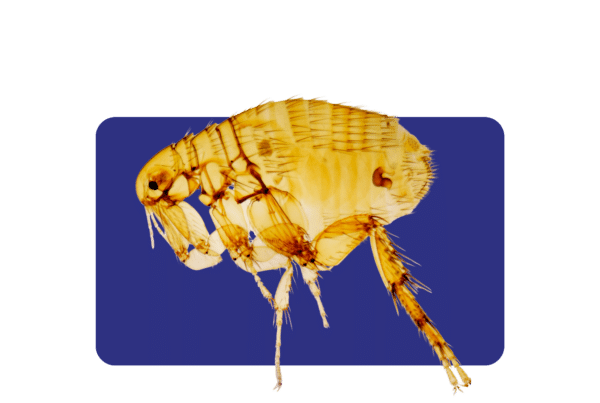
Even pets remaining in the Helderberg need appropriate parasite protection, particularly as warmer weather encourages flea activity.
Check that your pet’s flea, tick and deworming programme will remain current throughout the holiday period.
If somebody else will be caring for your pet, leave clear instructions about when treatments are due.
Don’t Run Out of Chronic Medication
This is one of the most important holiday preparations for pets with ongoing medical conditions.
Dogs receiving epilepsy medication, cats on insulin, and pets being treated for heart disease or other chronic illnesses cannot simply stop their medication because the family is away.
Check your supplies well before the holidays.
Make sure you have enough medication to cover the entire trip, plus a sensible reserve in case your return is delayed.
If medication needs refrigeration or must be given at precise times, discuss these arrangements with the person responsible for your pet.
For animals with complicated medical conditions, a written treatment schedule can be invaluable.
Is Your Pet Microchipped?
December often brings visitors, open gates, unfamiliar environments and changes in routine.
It’s also a time when frightened animals may escape during thunderstorms or fireworks.
A microchip provides permanent identification, but only if the contact details linked to it are correct.
Before travelling, check that your pet’s microchip is registered and that your cellphone number and other contact information are current.
A collar with an identification tag can provide an additional quick way for someone to contact you.
Travelling With Your Pet
If your pet is joining the family holiday, think about the journey from their perspective.
Long car trips can be stressful, especially for animals who aren’t accustomed to travelling.
Dogs should be appropriately restrained using a suitable travel harness or secure crate. Cats should travel in a secure carrier.
Plan regular breaks for dogs on long journeys and carry plenty of fresh water.
Never leave a pet unattended in a parked vehicle, even for a quick stop.
If your pet experiences severe motion sickness or travel anxiety, speak to your veterinarian before departure. There may be appropriate ways to make travelling more comfortable.
Consider the Holiday Destination
Is the accommodation genuinely pet-friendly?
Are there secure fences? Could your dog escape through a gate? Are there swimming pools, unfamiliar animals or other hazards?
If you’re taking your dog to the beach, check the local rules and consider their swimming ability, heat tolerance and recall.
Cats are often more comfortable remaining in their familiar home environment with reliable care than travelling to an unfamiliar location.
Every pet is different, so choose arrangements that suit the individual animal rather than assuming they will enjoy the same holiday activities as you.
Fireworks, Visitors and Changes in Routine
The festive season can be overwhelming for anxious pets.
Loud noises, visitors, unfamiliar children and changes in feeding or sleeping routines can all contribute to stress.
If your dog or cat is frightened by fireworks or thunderstorms, don’t wait until New Year’s Eve to ask for help.
Prepare a safe indoor space and discuss a behaviour-management plan with your veterinarian. Some animals benefit from prescription medication, but these plans should be established in advance.
Leave an Emergency Plan
Whether your pet is staying with a friend, a sitter or a boarding facility, make sure the responsible person knows what to do if something goes wrong.
Leave your veterinarian’s contact details, relevant medical history, medication instructions and an emergency contact.
It’s also sensible to agree beforehand how urgent veterinary decisions and payment arrangements should be handled if you cannot immediately be reached.
A Little Planning Means a Happier Holiday
Preparing your pet for the December holidays doesn’t have to be complicated.
Check vaccinations, arrange appropriate parasite prevention, collect medication, update microchip details and make sure whoever is caring for your pet has everything they need.
At Cottage Vet Clinic, we’re happy to help you prepare before the holiday rush.
Book your pet’s pre-holiday health check early so you can head into December knowing that the four-legged members of the family are taken care of too.