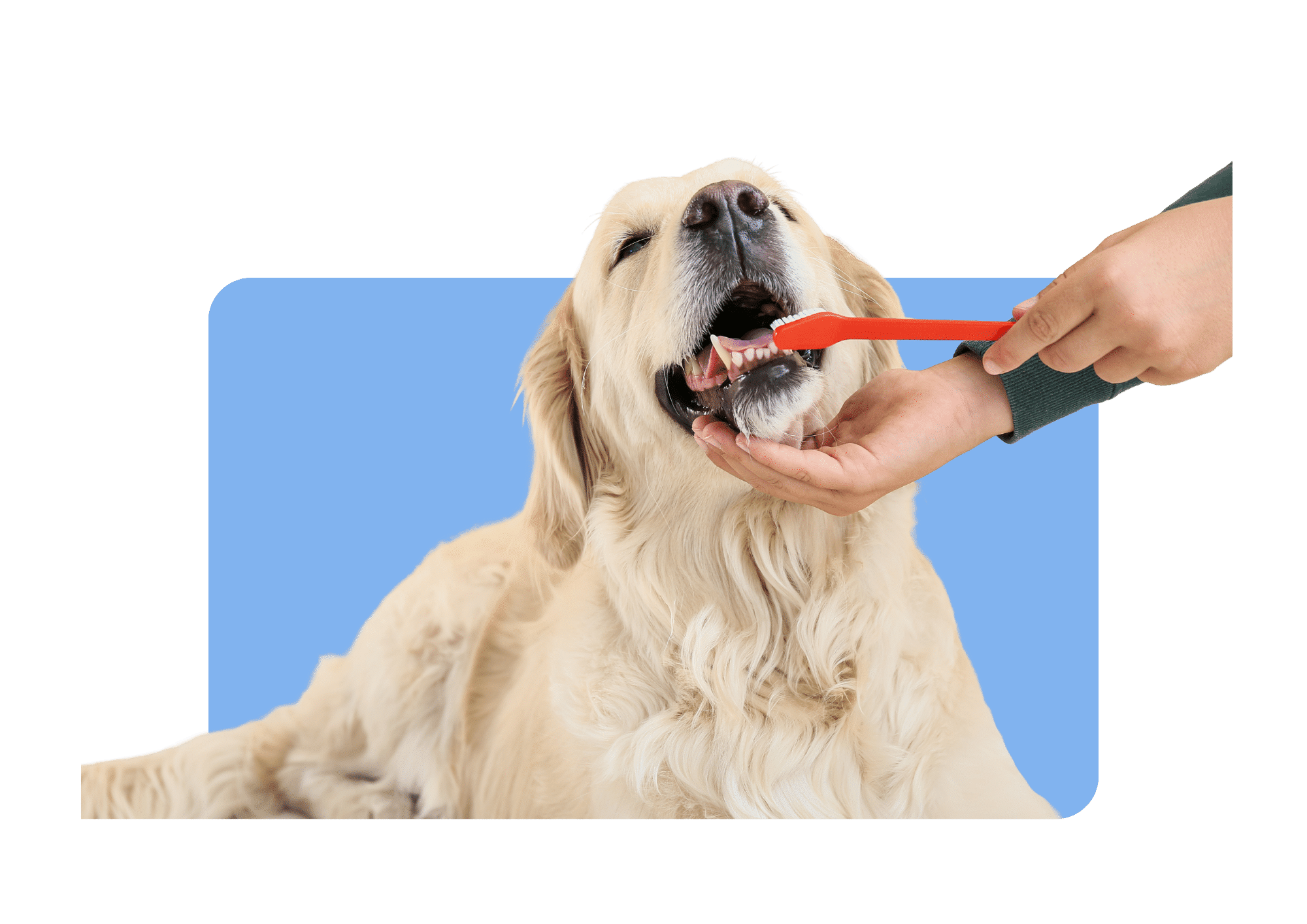
Many owners are surprised to learn that broken teeth in dogs and cats are extremely painful.
Pets are remarkably good at hiding discomfort, and many continue eating despite severe oral pain. Unfortunately, this means fractured teeth and dental abscesses are often left untreated for weeks, months or even years.
At Cottage Vet Clinic, we regularly see dogs and cats suffering from fractured teeth, exposed tooth nerves and painful tooth root abscesses that owners did not realise were serious.
Broken teeth in dogs and cats are never “just cosmetic.” They are painful injuries that require veterinary attention.
How Do Teeth Break?
Fractured teeth in pets are incredibly common, especially in dogs.
One of the biggest causes of broken teeth in dogs is chewing excessively hard objects.
Common culprits include:
- Bones
- Stones
- Hooves
- Hard nylon chew toys
- Ice cubes
- Tennis balls especially if they are covered in sand
The large upper carnassial teeth are particularly prone to fracture. These are the major chewing teeth located towards the back of the mouth.
Cats can also suffer fractured teeth, particularly after trauma or falls.
What Happens When a Tooth Breaks?
A fractured tooth may expose the sensitive pulp cavity inside the tooth. This contains nerves and blood vessels.
Once exposed, bacteria enter the tooth and infection develops. Over time, this infection can spread down into the tooth root and surrounding bone.
This often leads to a tooth root abscess.
One of the classic signs of a carnassial tooth abscess in dogs is swelling below the eye. Owners sometimes think the swelling is an insect bite or skin infection, when in reality the problem originates from the tooth root underneath.
Other signs of fractured teeth in pets may include:
- Bad breath
- Drooling
- Pawing at the mouth
- Difficulty chewing
- Chewing on one side
- Reluctance to eat hard food
- Blood on toys
- Facial swelling
- Irritability or quieter behaviour
Some pets show almost no obvious signs despite severe pain.
Why Antibiotics Alone Are Not Enough
This is one of the most important things owners need to understand.
A tooth root abscess cannot usually be cured with antibiotics alone.
Antibiotics may temporarily reduce swelling or improve symptoms, but the infected tooth remains painful and infected underneath. In most cases, the diseased tooth either needs extraction or advanced dental treatment.
Without treatment, the infection typically returns.
How Do We Decide Whether a Tooth Needs Extraction?
Every tooth is assessed individually.
At Cottage Vet Clinic, we perform a full oral examination under anaesthesia and assess:
- The extent of the fracture
- Whether the pulp cavity is exposed
- Tooth stability
- Gum health
- Evidence of root infection
- Pain
Some teeth may look relatively normal above the surface while severe infection or disease is present underneath the gum line.
If a tooth is severely damaged, painful or infected, extraction is often the best option to eliminate pain and ongoing infection.
Most pets recover remarkably well after dental extractions and are significantly more comfortable afterwards.
Can Broken Teeth Be Prevented?
While not every fractured tooth can be prevented, risk can be reduced significantly.
A simple rule is:
“If you cannot indent it with your fingernail, it is probably too hard for your dog’s teeth.”
Safer alternatives include:
- Veterinary-approved dental chews
- Rubber chew toys
- Appropriate dental diets
- Supervised softer chew options
Avoiding excessively hard chew items is one of the best ways to prevent broken teeth in dogs.
Don’t Wait Until Your Pet Stops Eating
One of the biggest myths surrounding oral pain is that pets will stop eating if their mouth hurts.
In reality, many continue eating despite severe discomfort.
Broken teeth in dogs and cats are painful, and tooth root abscesses can become serious if left untreated. Early assessment and treatment can dramatically improve your pet’s comfort and quality of life.
If you are concerned about your pet’s teeth, bad breath or facial swelling, contact Cottage Vet Clinic to schedule a dental assessment.